

19-20th February 2026

Charles Perkins Auditorium, The University of Sydney
Deadline for registration
Friday 13 February 2026
| Ticket Type | One Day | Two Days |
| Full Registration | $99 | $160 |
| Student/ Registrar | $50 | $80 |
Event overview
Biologically guided radiation therapy (BgRT) is a cutting-edge approach to radiation therapy using biological information to personalise radiation treatments to tailor dose distributions to tumour heterogeneity and adapting therapy based on biological response during treatment. Recent advances in imaging, particularly MRI and PET, biomarker development and AI have accelerated progress in the field. The 2026 symposium will include national and international keynote speakers, educational and scientific sessions and networking opportunities.
View the symposium program here.
If you are travelling from interstate or overseas, please see the interactive map for practical information to help plan your visit.
Audience
We welcome a multi-disciplinary audience of radiation oncologists, medical physicists, academics, radiation therapists, radiologists, radiographers, students and trainees.
Keynote plenary speakers
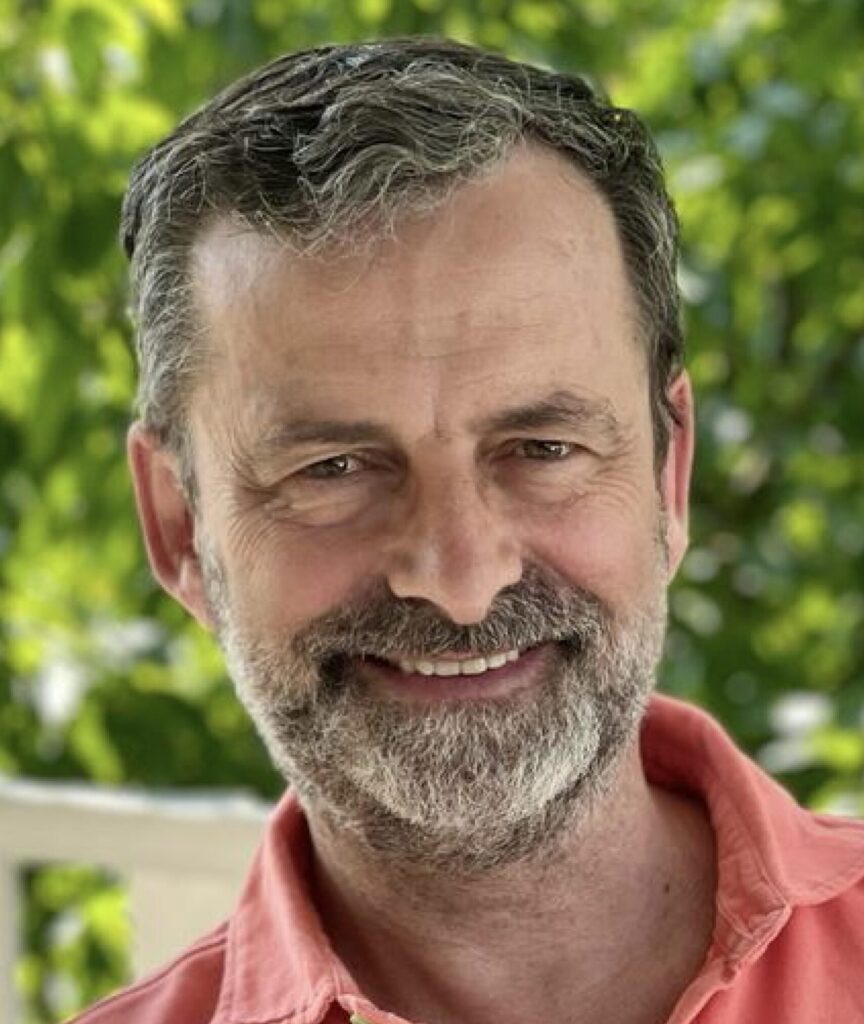
Prof. Dr. Philippe Lambin
Department of Precision Medicine, University of Maastricht
Prof Dr Philippe Lambin is a Clinician scientist, Radiation Oncologist, “ERC advanced & twice ERC PoC grant laureate” respectively from 2016, 2017 & 2020 and pioneer in translational research with a focus on tumour hypoxia; genetically modified bacteria for cancer treatment and Decision Support Systems. He has a PhD in Molecular Radiation Biology and is Professor at the University of Maastricht (Precision Medicine). He is co-author of more than 642 peer reviewed scientific papers, with more than 75K citations, H Index: 128 and promoter of more than 79 completed PhDs. He is one of the co-inventors of “Radiomics”, “Clinical Decision Support Systems” and “Distributed learning” from federated databases.
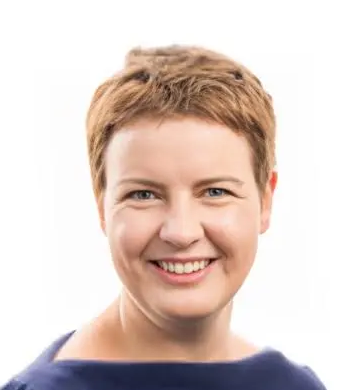
Professor Ane Appelt
Professor of Clinical Medical Physics at Rigshospitalet & Technical University of Denmark
Professor Ane Appelt is a cancer researcher, clinical trialist, and medical physicist at the Department of Oncology, Rigshospitalet & Technical University of Denmark Copenhagen, Denmark. Her research focuses on improving patient outcomes through the development and implementation of optimised treatment strategies and novel technological innovations in radiotherapy. Specific interests include reirradiation, radiotherapy for organ preservation, clinical trial design and delivery, and the application of data science in radiation oncology.
Professor Martin Ebert
School of Physics, Mathematics and Computing, Physics UWA Data Institute
Professor Martin Ebert is the Director of Physics Research at Department of Health (WA Health). His research has spanned laboratory and theoretical radiation biology, radiation protection, computational biology, Monte Carlo modelling of radiation interactions and biological systems, biostatistics and advanced analytics, image processing, clinical data archive and analysis, clinical trials, optimisation of clinical services and health services research. This work has incorporated a network of national and international collaborations and been supported by state Cancer Councils, Cancer Australia, cancer advocacy organisations and the Australian Commonwealth’s National Health and Medical Research Council. Prof Ebert has co-created the Australasian Centre for Quantitative Imaging (https://www.linkedin.com/company/australian-centre-for-quantitative-imaging), a hub for coordinating medical imaging analytics studies, for innovation in applications of computational uses of medical imaging, for clinical implementation of imaging analytics approaches and for industry engagement.
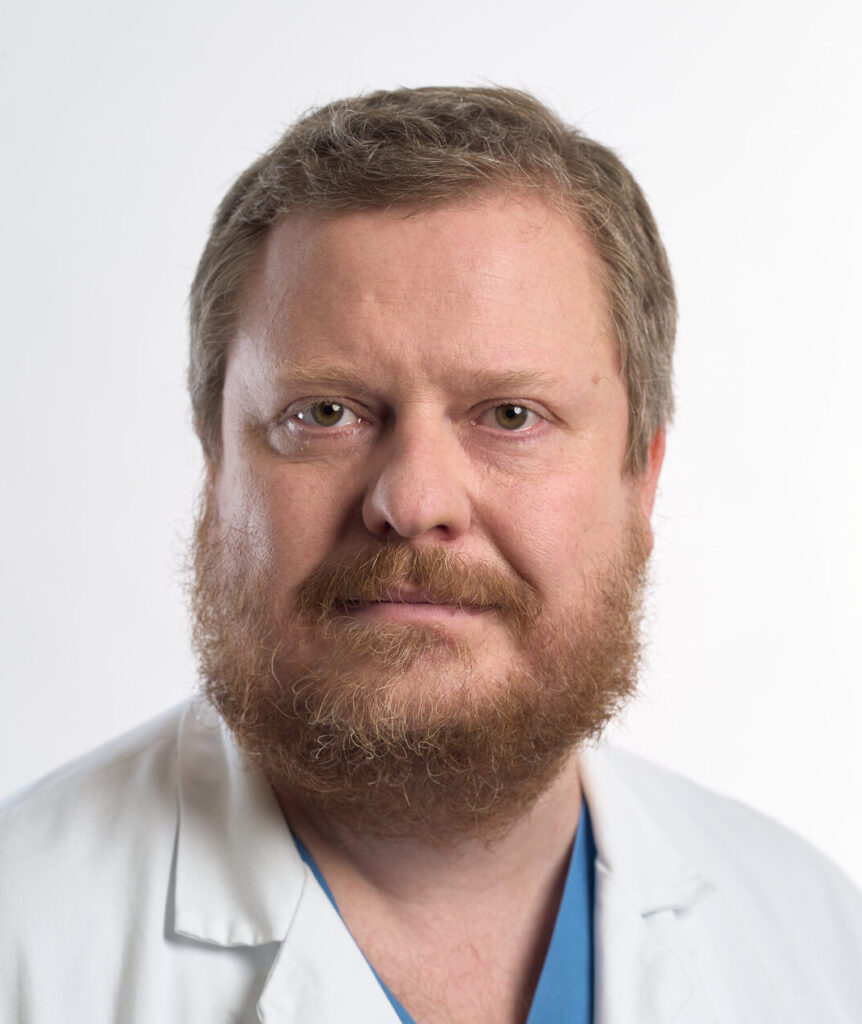
Univ Prof Dr Piero Fossati
Scientific Director and Director of the Carbon Ion Programme at MedAustron
Dr Piero Fossati is a physician and researcher specialising in radiation oncology with a focus on advanced particle therapy. He serves as Scientific Director and Director of the Carbon Ion Programme at MedAustron, where he leads clinical development and research into carbon ion radiotherapy. He trained as a radiation oncologist in Milan having previously completed degrees in electronical engineering and medicine. His international research collaborations contribute to scientific reports and publications on radiobiological models and clinical implementation of particle therapies.
Symposium program
Venue, Travel, and Accommodation*
*Nearby accommodation options are listed for reference only; no special rates are available.